
Autonomy Built for Agriculture
From intelligent crop sensing and precision weed control to robotics and autonomous field operations.
Agriculture Needs to Transform
When feeding a growing population, sustainably is the biggest challenge we face.
As the global population continues to rise to an estimated 9.7 billion by 2025, the amount of available cropping land declines, we must find a way to produce more food in a sustainable manner.
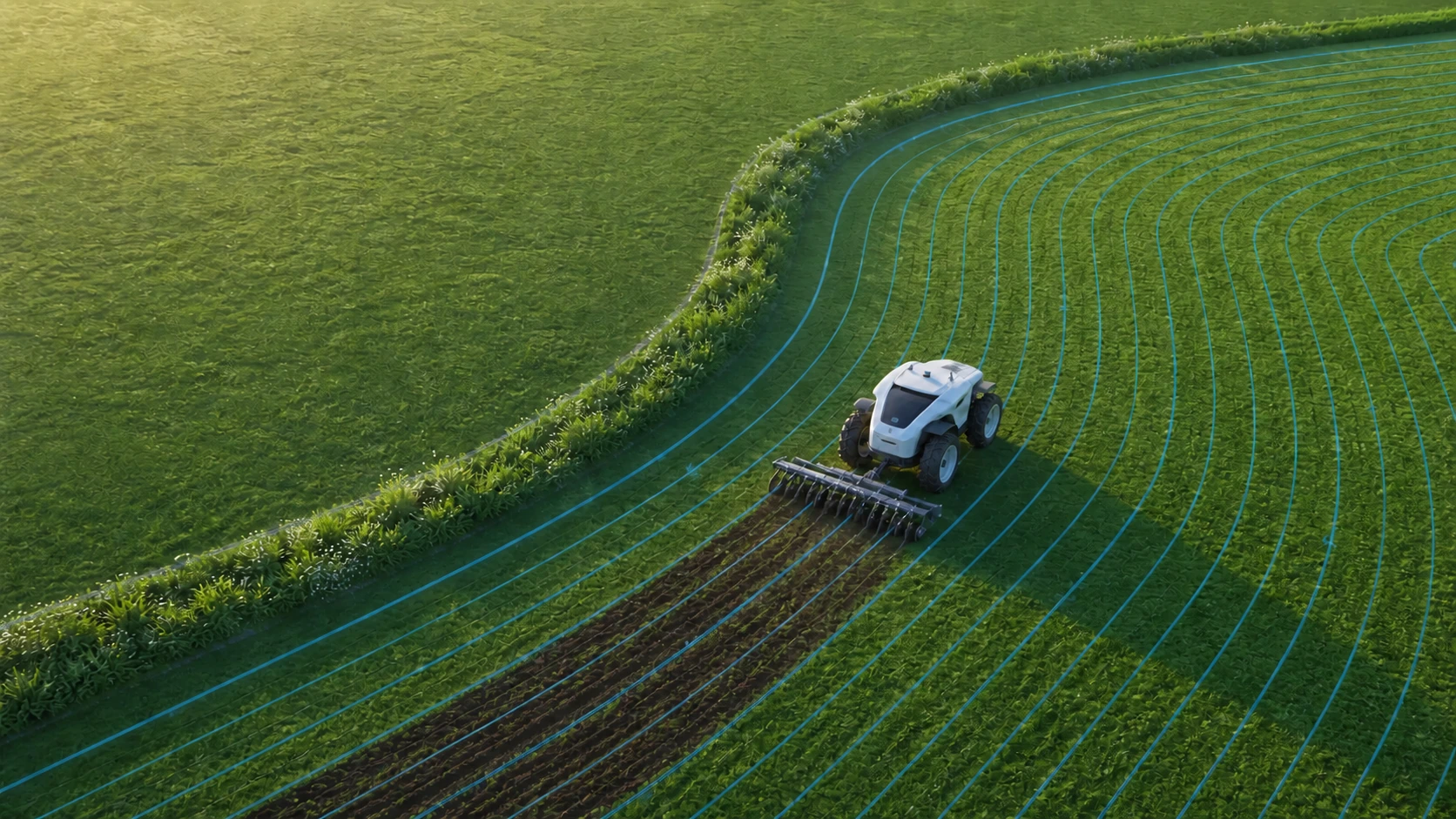
Since the third agricultural revolution of chemical inputs and mechanisation, crop yield potential has remained consistent. Whilst the introduction of these new technologies and products brought an increase in achievable crop yields, they also came at a great financial cost to the grower and the natural environment.

90%
of post-emergence herbicides are overused

↑
High input costs and waste

33%
Global NUE as low as

2.6 gigatons
of CO₂ from synthetic fertiliser per year
The time for the fourth Agricultural Revolution is now. Utilising Autonomy, Computer Vision and Artificial Intelligence, EVIE Autonomous is delivering technology to allow growers to unlock the next step change in agricultural production, feeding the world sustainably.
AutonomousControl System
Autonomy for increased efficiency
Unlock the potential of your equipment by enabling Level 4 autonomy with EVIE’s full autonomy upgrade technology.
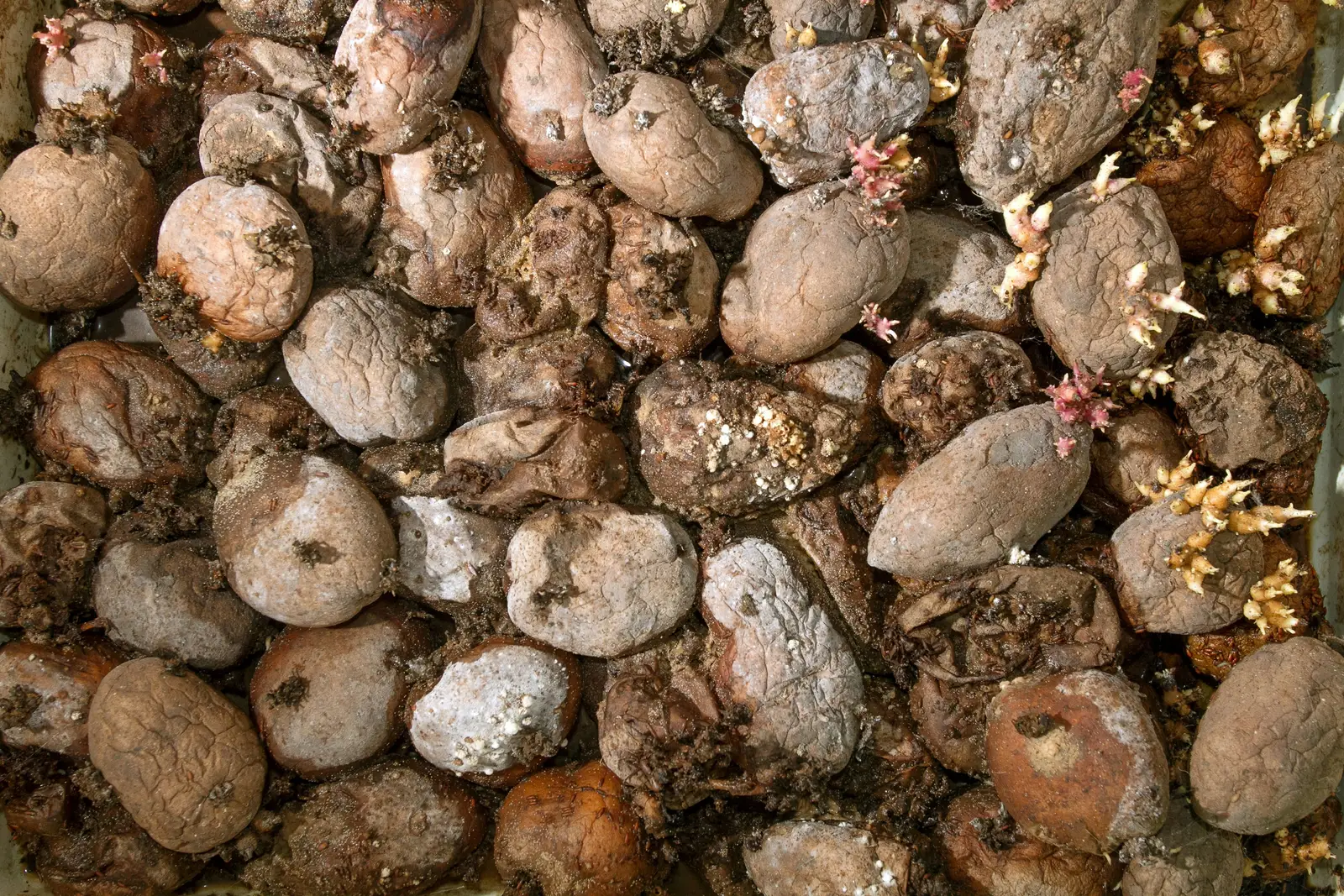
“£500m UK crops left to rot owing to lack of workers”
EVIE enables autonomy for agricultural equipment to improve safety, and productive and efficient operation for the grower.
Autonomy has enabled an 85% reduction of operational costs for agronomic tractors, and an autonomous aid platform has increased operational efficiency by 20–30%.
Productive and efficient farm operations for the next generation of growers. Our retrofittable autonomous technology and fleet management system allows you to safely increase the efficiency and profitability of your farm business.

24/7 Operational Capability

Low Cost

Fail-Safe System Design

Industry Proven Reliability
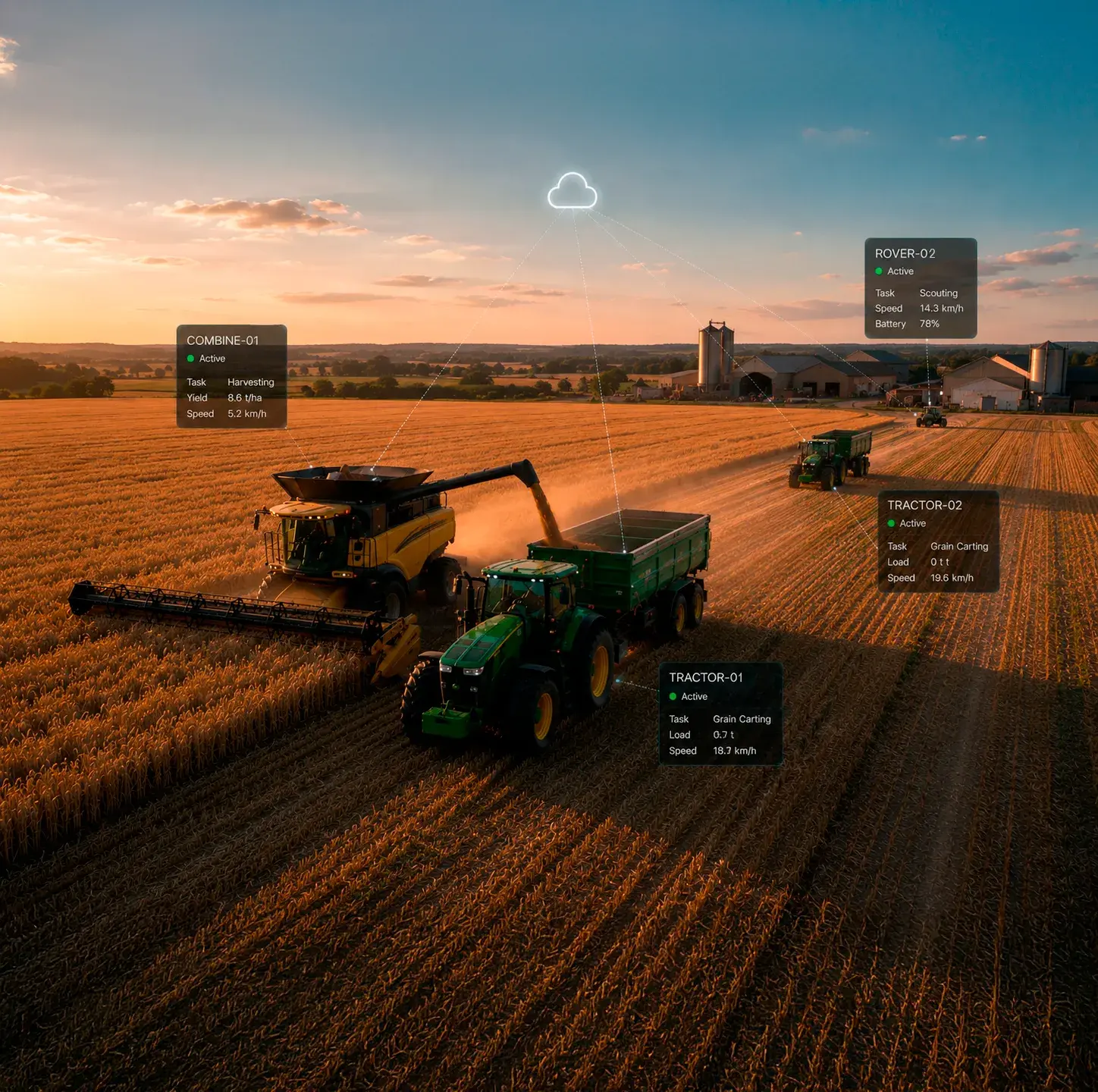
Fleet Management
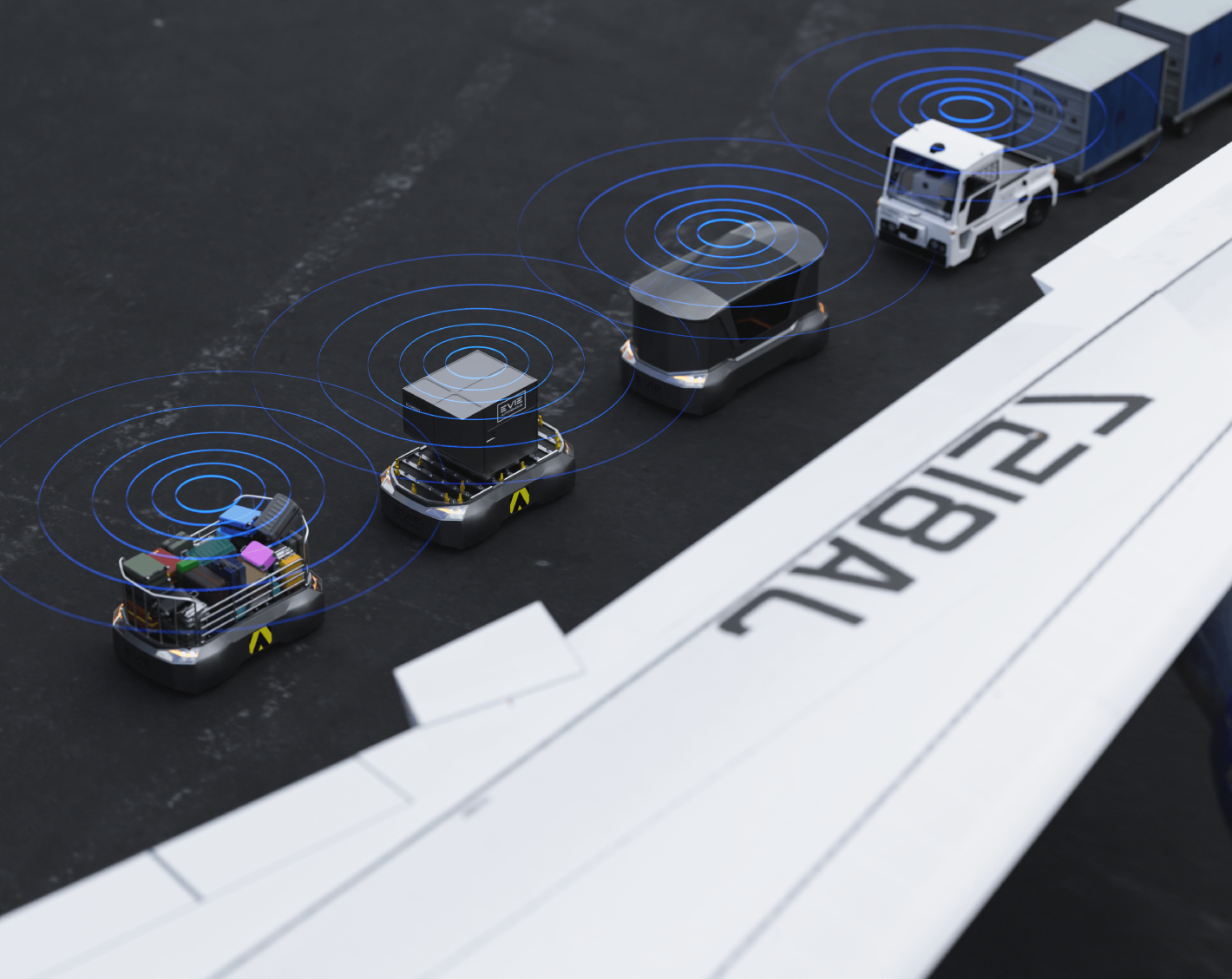
Fleet management brings your autonomous assets together in one connected view, helping you monitor location, status and activity while improving coordination across the wider operation.
Use autonomy to reduce reliance on repetitive manual tasks, improve resource efficiency and lower the cost of day-to-day operations.
Autonomous operation delivers more consistent driving behaviour, helping reduce harsh acceleration, braking and unnecessary variation between operators.
Consistent operation and better visibility of machine use can help reduce unnecessary wear, improve maintenance planning and extend the useful life of fleet assets.
Autonomy can streamline repetitive workflows, improve utilisation and keep vehicles and machines working more consistently across the operation.
Connected autonomous systems can provide clearer insight into the location, status and activity of machines operating across large or remote sites.
How it works. Innovations to makeyour technology fully autonomous…
- Artificial Intelligence
Our AI-powered image processing technology enables highly accurate and efficient object classification.
- Choose Autonomy
Electric autonomy bids farewell to billowing clouds of black exhaust filling the atmosphere and floods sweeping through the fields ruining yield planted a year prior.
- 4D Radar
Evie’s 4D Radar vision allows vehicles to perceive their environment using radio waves. This can be beneficial in challenging weather conditions such as rain, snow, or fog, where visual-based sensors like cameras or LiDAR may be limited.
- HD Cameras
HD cameras provide 360 degree vision to see objects in the field and triangulate distance.
IntelligentCrop Sensing
The Future of Digital Agronomy
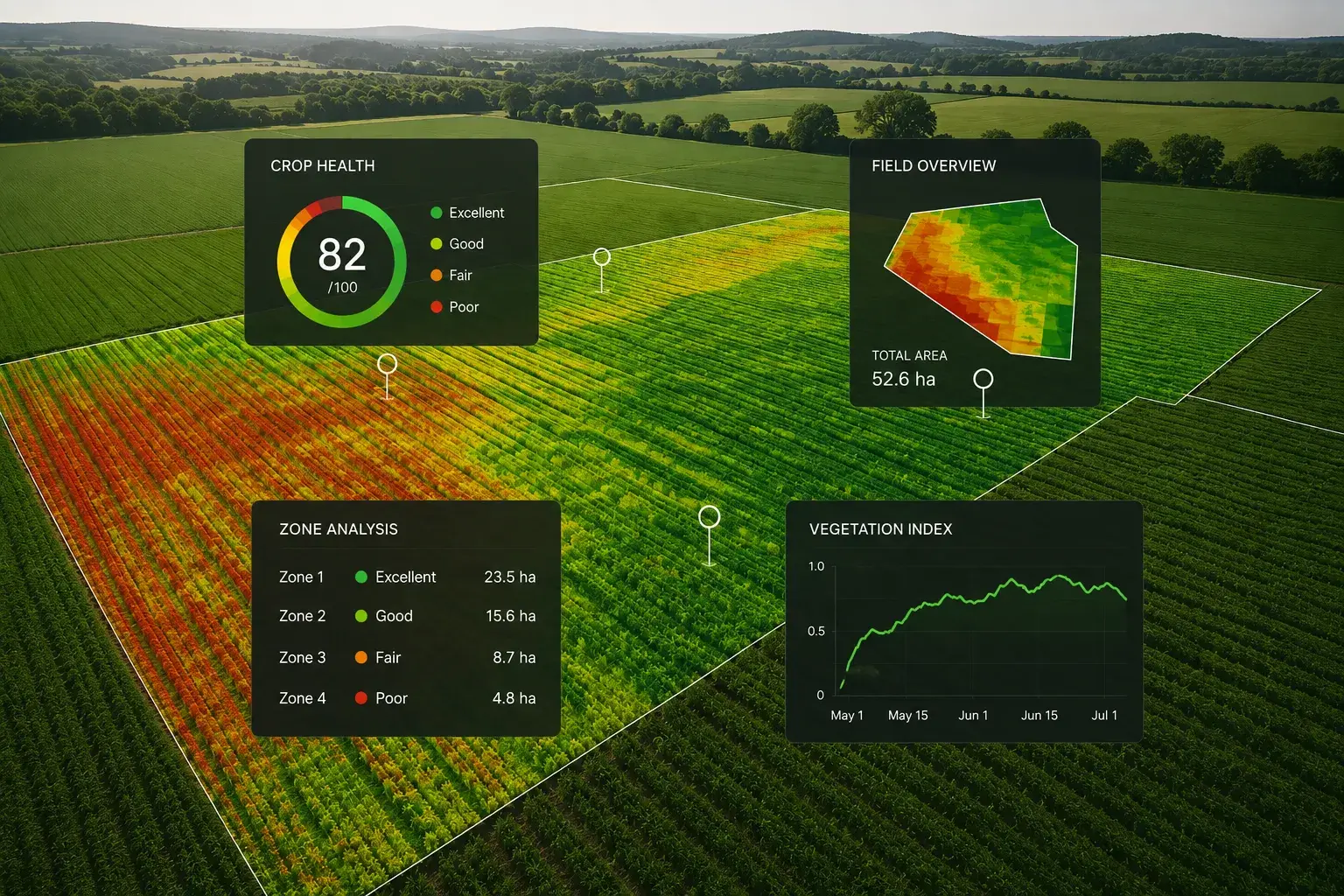
Optimise crop production with field scale data at the individual plant level, unlocking unparalleled insights for a new level of crop yield potential.
Developed forFarmers, by Farmers
EVIE has created an industry-leading computer vision system to provide a digital “Per-Plant” understanding of your entire field.
- Green on green AI capability
- Industry-leading resolution cameras (leaf level analysis)
- Real time processing for faster insights
- High speed capability
- Field scale coverage (**kph speed)
- Lighting for 24/7 operation
- Expert agricultural AI models
- Infield action, data mapping
- Retrofittable to any piece of infield equipment
- Low cost (suitable for all growers)
One System. Multiple Crops
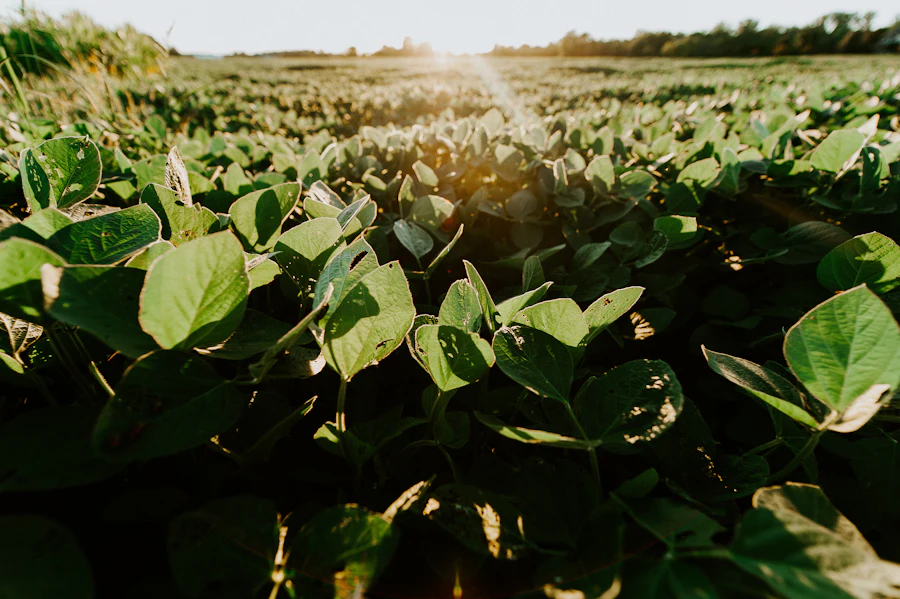
Soy
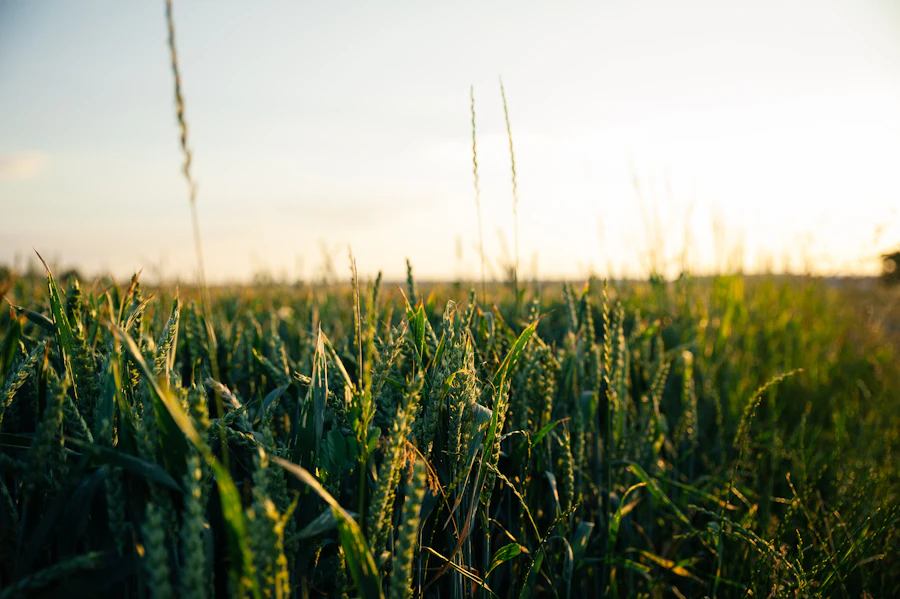
Wheat
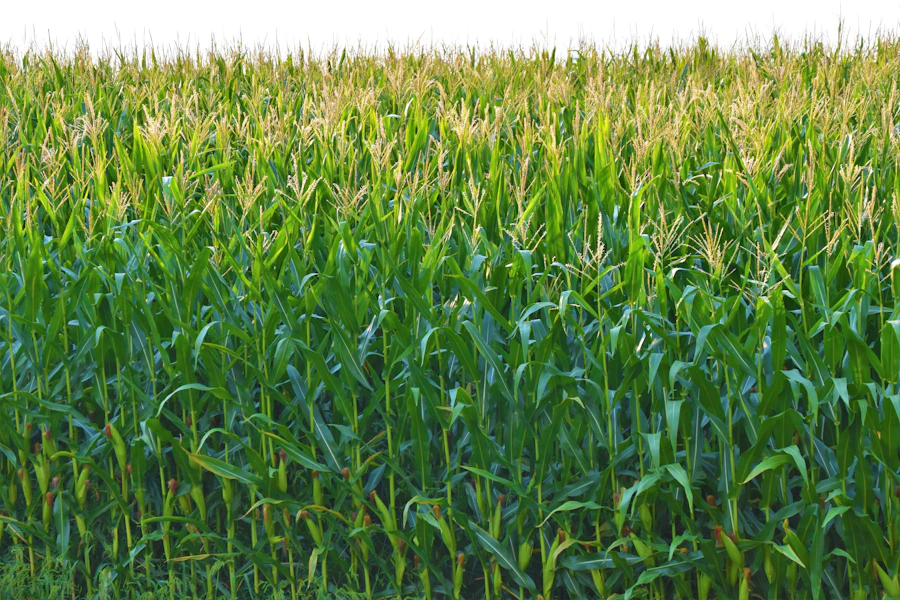
Corn
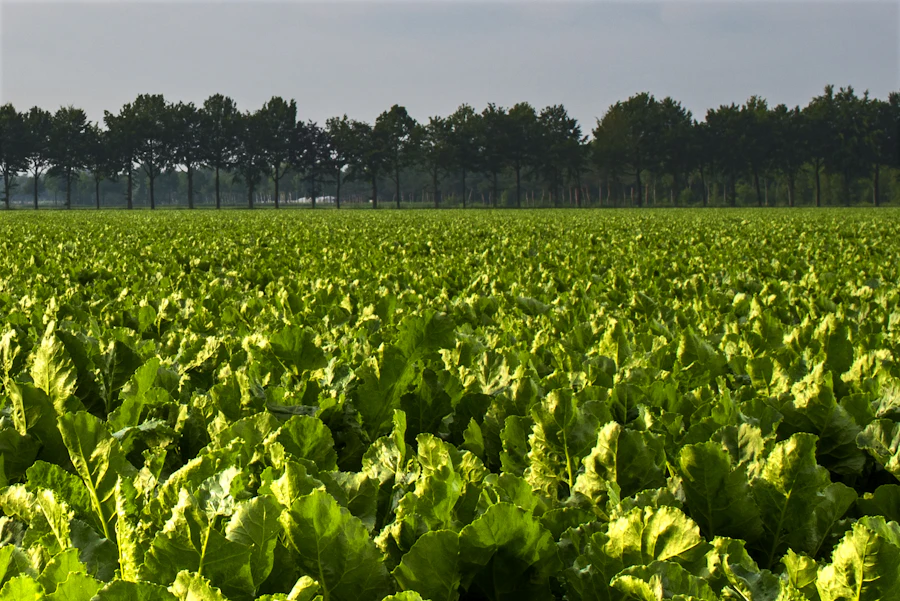
Sugarbeet
RevolutionisingWeed Control
Unrivalled real time plant detection capabilities for both grass and broadleaf weeds in cereal crops.
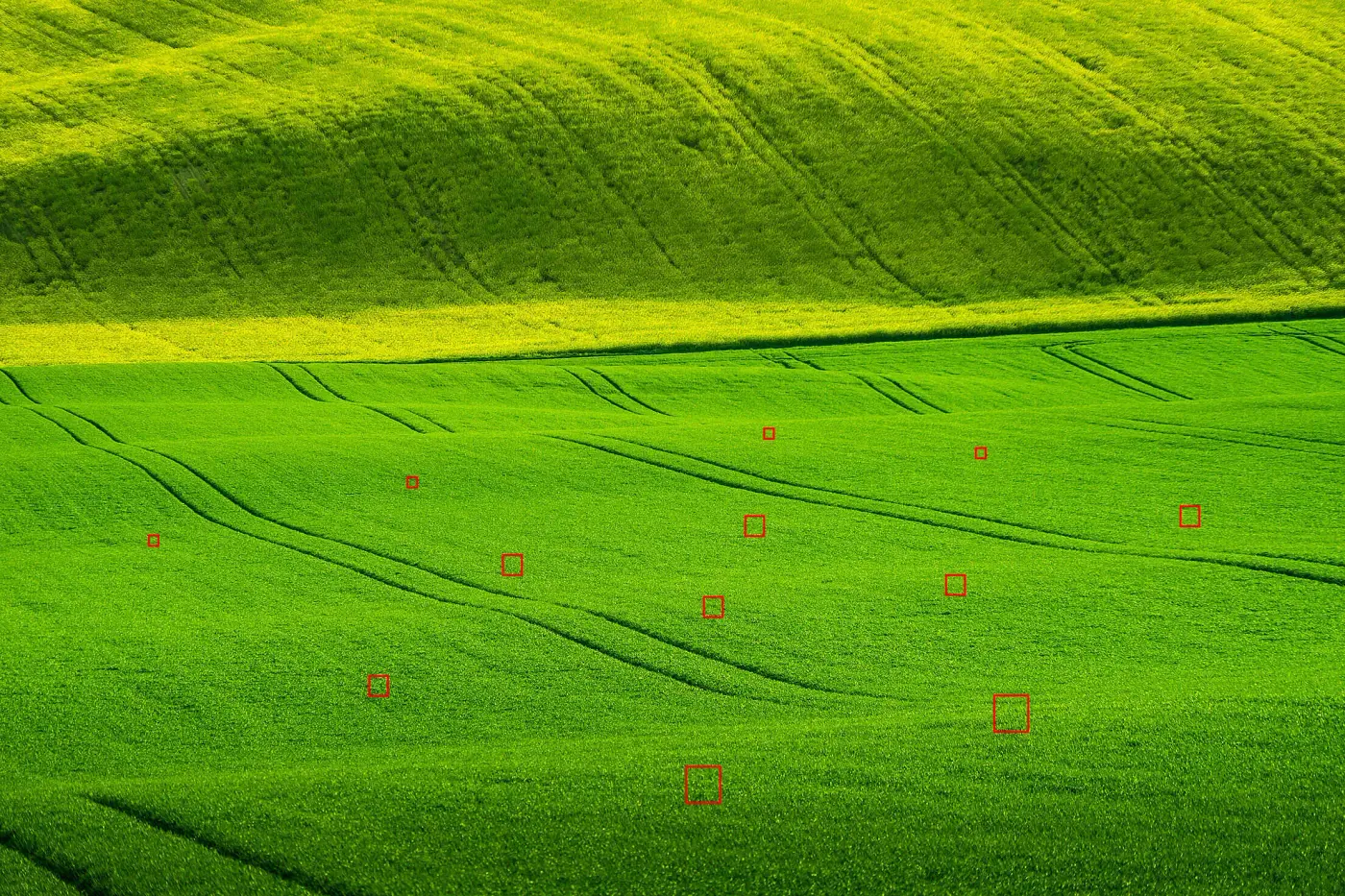
Detection of both grass and broadleaf weeds at growth stages where infield action can be taken to control populations in a targeted method, reducing the amount of chemical inputs without negatively impacting yield.
Detect and locate the weeds in your field, saving 90% of your contact herbicides.
12 grass weeds per square metre can have a 5% reduction in yield
Grass weeds in cereal crops are not only hard to detect but have a hugely detrimental effect on yield. Blackgrass alone sets the UK economy back £400 million and 800,000 tons of lost wheat yield per year.
12 grass weeds per square metre can have a 5% reduction in yield. Take back control of your grass weed population in season and save yield losses through targeted spraying, ONLY available with our advanced product offering.

Per-PlantIntelligence
Understand your plant’s needs, and fuel them to their maximum potential.
Improve the nitrogen use efficiency of your crops with “Per-Plant” data. Understand your crop density at the “Per-Plant” level across the entire field to create highly accurate nutrient prescriptions, increasing the efficiency and profitability of crop production.
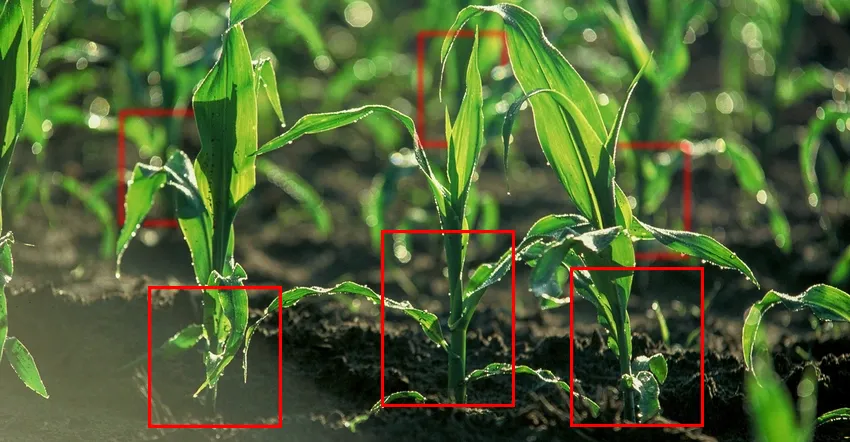
“Per-Plant” Detection Capabilities

Biomass Levels

Broadleaf

Grass

Crop Stress

Detection

Disease & Pests
Evie Robotics
Use of Robotics in Agriculture
The agricultural industry is facing a number of challenges, including a shortage of workers, decreasing yields, and an ageing farmer population. Robotics has the potential to address these challenges and improve efficiency in the agricultural industry.
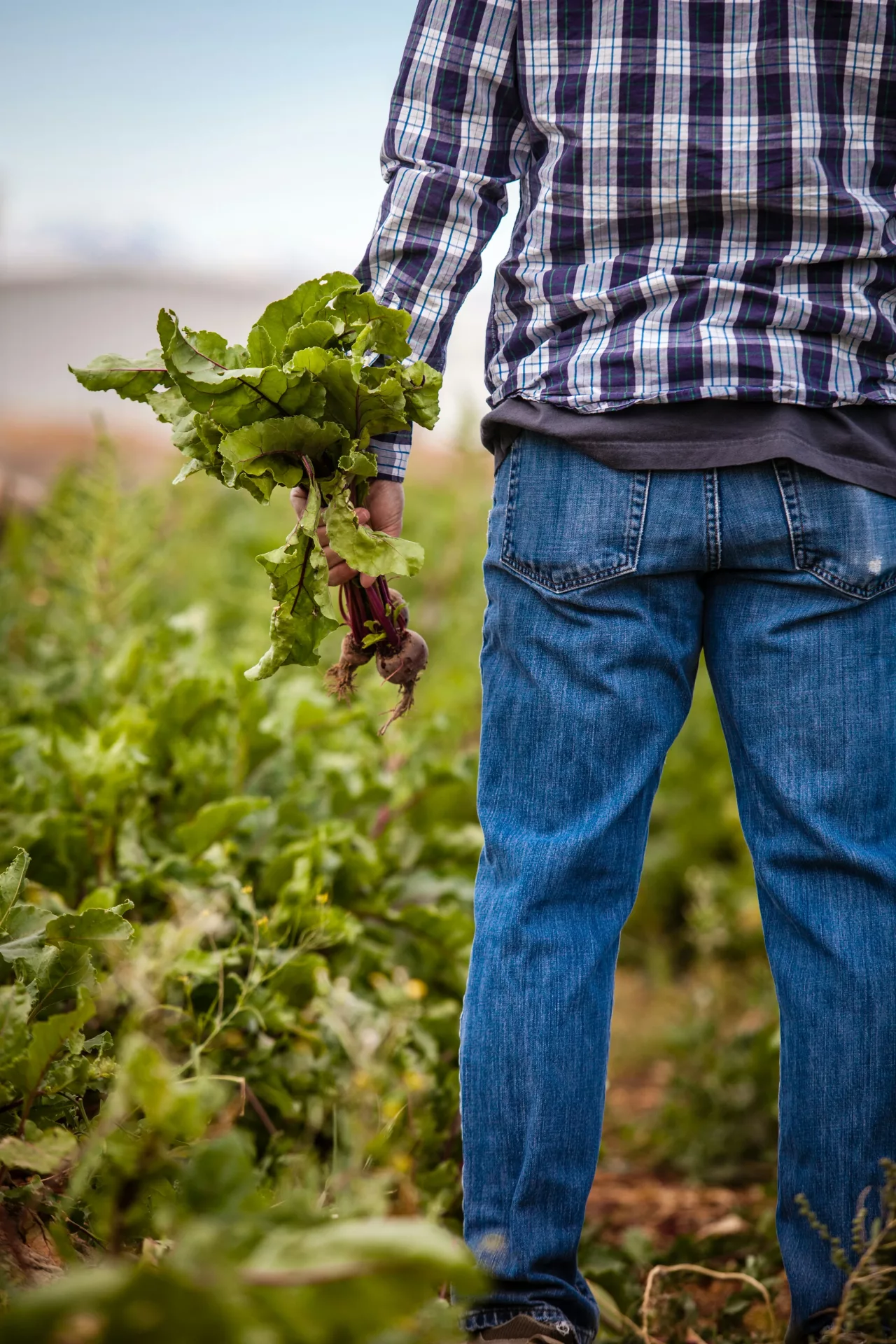
According to a recent study by the National Farmers’ Union, the UK is facing a shortage of 500,000 farm workers. This shortage is being driven by a number of factors, including retirements, the decline of the farming industry, and the lack of interest in the profession among young people.
The average yield of wheat in the UK has decreased by 15% in the past 4 years. This decrease is heightened by climate change, pests, and diseases. The average age of a farmer in the UK is 59 years old, and this is the highest average age of farmers in any developed country. The ageing of the farming population is a major challenge for the agricultural industry, as it means that there are fewer young people entering the profession.
A study by the University of Cambridge found that robotics could increase agricultural productivity by up to 30%. This increase in productivity would be due to a number of factors, including the elimination of labour costs and the increased efficiency of robots.
Agriculture by the Numbers
$5 Trillion
The global agricultural industry is worth over
1 Billion+
The global agricultural industry employs over
$10,000+
The average annual cost of a farm worker is over
3.5 tons
The average yield of wheat per hectare in the UK is
59yrs
The average age of a farmer in the UK is
Why Robotics Matters
In conclusion, the agricultural industry needs robotics to increase efficiency. Robotics has the potential to address the challenges facing the agricultural industry, such as the shortage of workers, decreasing yields, and increasing the average age of farmers.
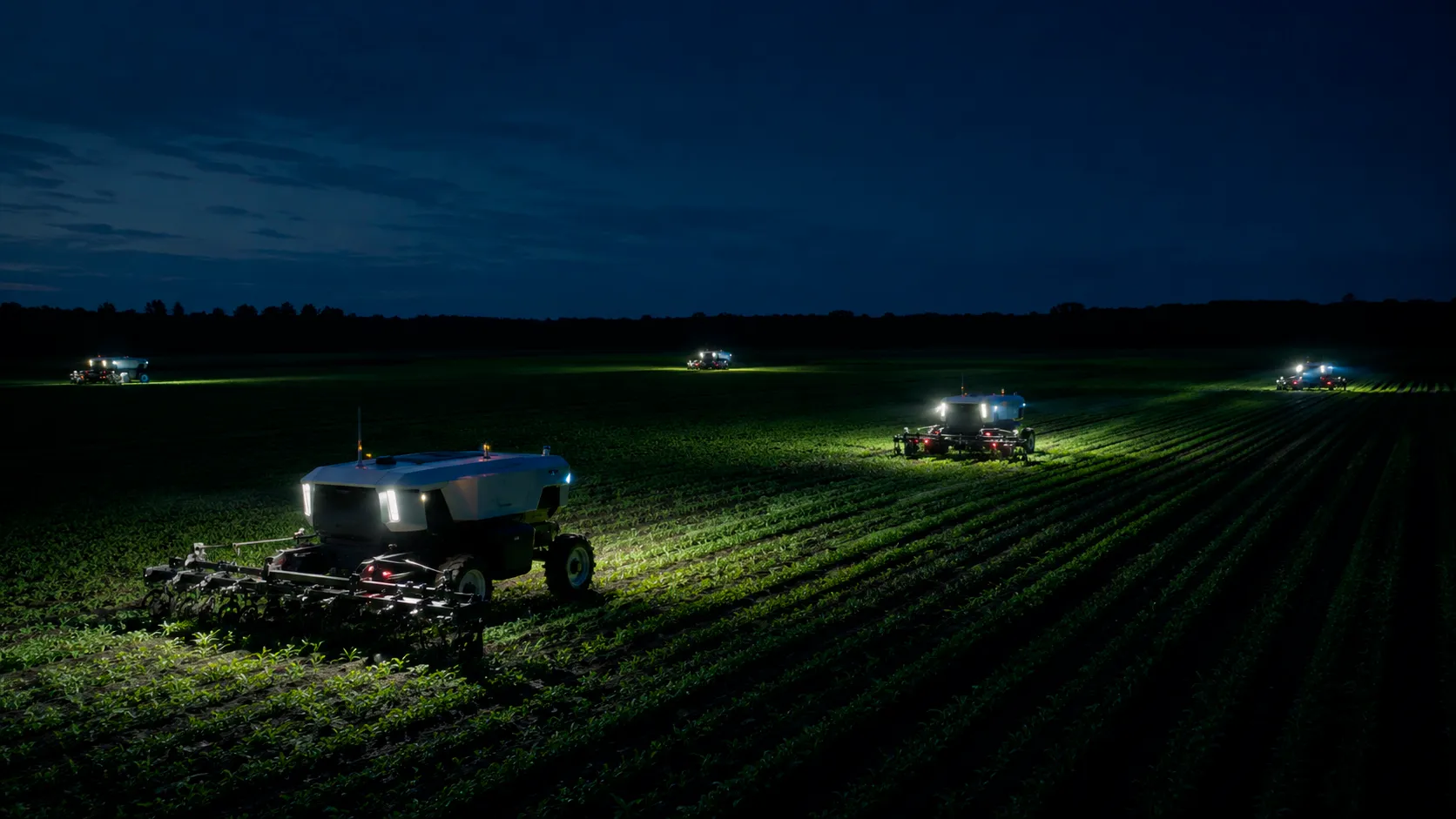
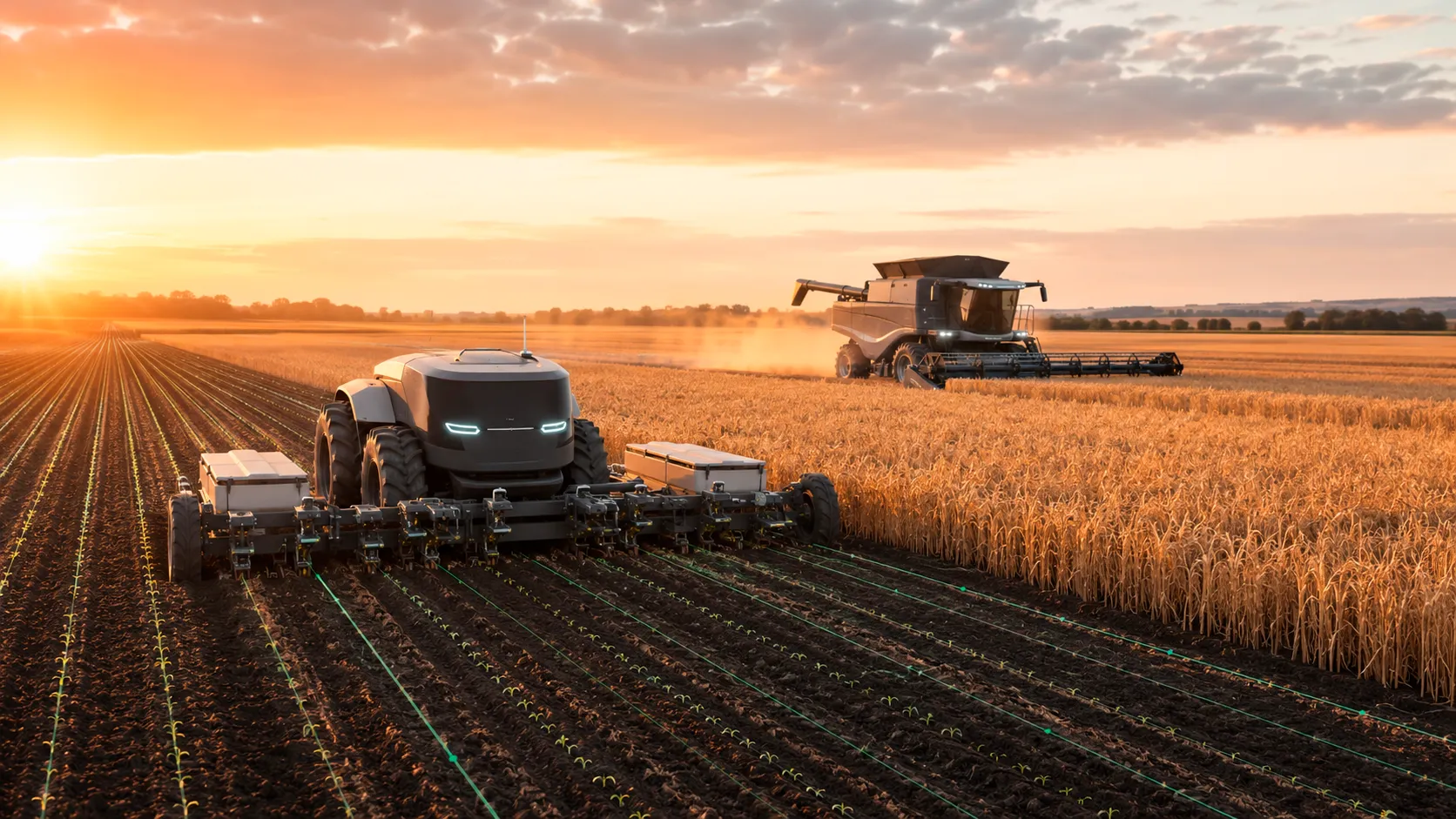
Robotics in Agriculture are useful for:
Plant seeds and harvest crops more accurately and efficiently than humans.
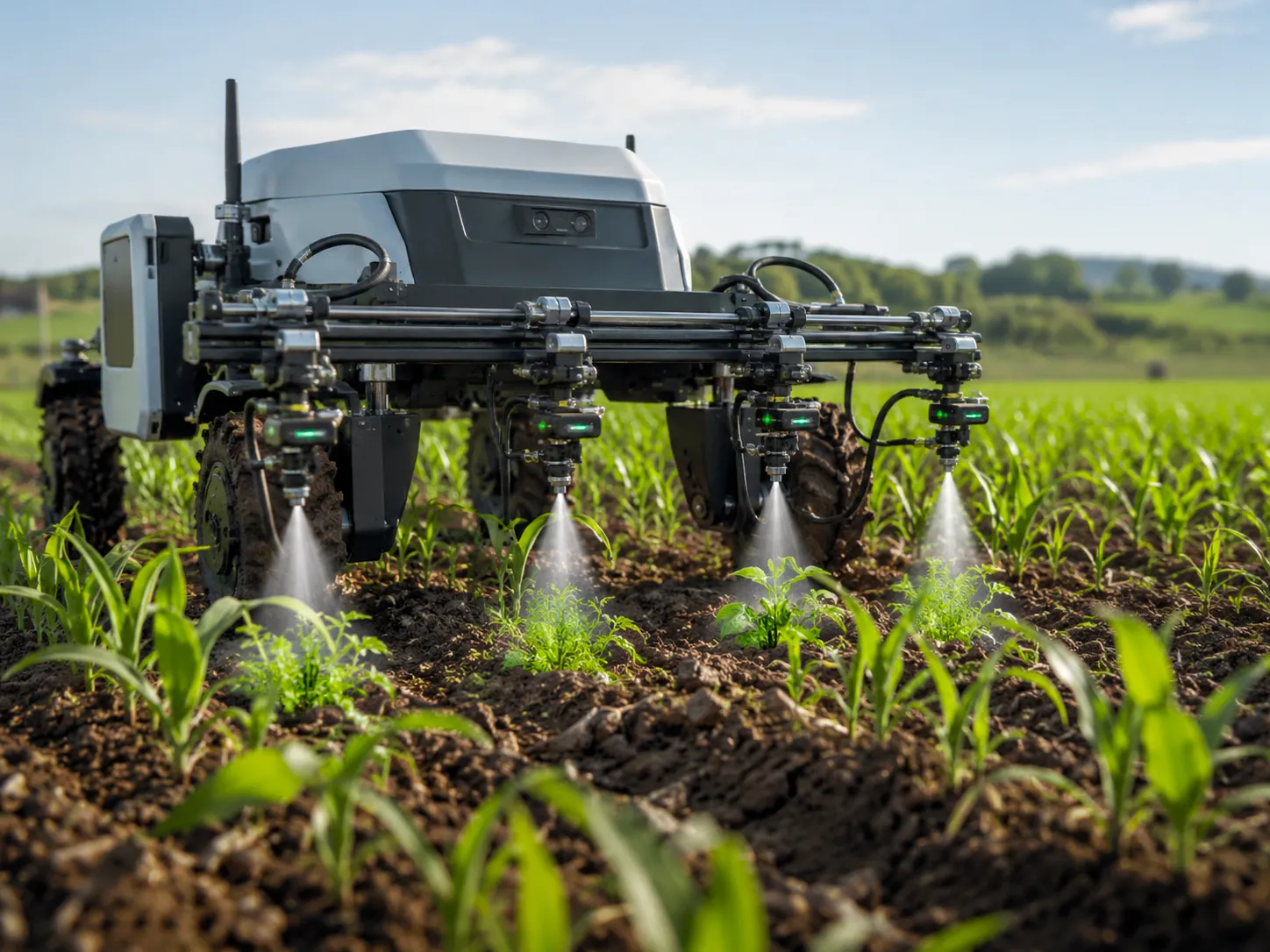
Apply pesticides and herbicides more precisely, reducing the risk of environmental contamination.
Monitor crop growth and health in real-time, allowing farmers to intervene quickly if necessary.
Supporting the Futureof Food Production
By automating these tasks, robots could help to reduce labour costs, improve crop yields, and protect the environment. As a result, robotics has the potential to play a vital role in ensuring the future of food production.
Smart Roboticsfor Agriculture
We can apply our robotics control software to almost any application you can imagine and also add Artificial Intelligence (AI) to allow selective and reliable control.
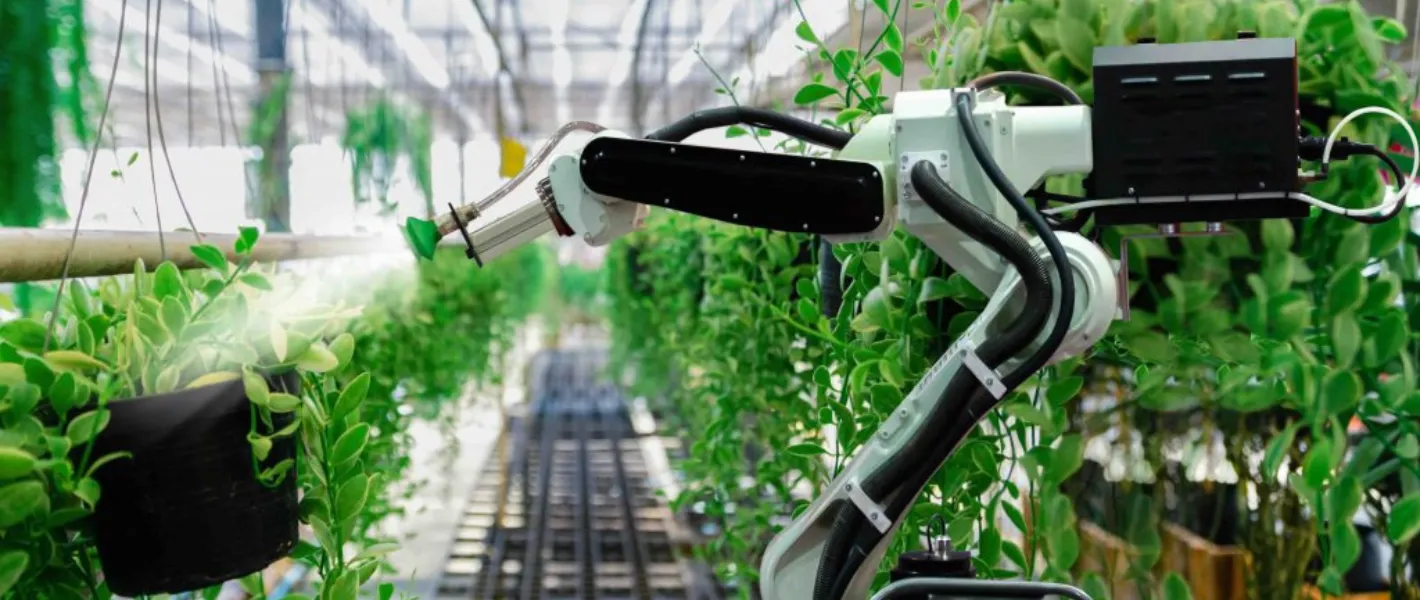
Evie Robotics AI farming companions assist and provide efficient help with the picking of fruits and vegetables. Evie AI Robotics Technology uses Inverse Kinematics (IK) to gain precise control of the Robot Arm and Obtaining visual data using stereo vision cameras.
Evie Autonomous Technology is also used in other agricultural applications including Weed Spraying Robotics, Soil Sampling Robotics, Fruit Picking Robotics and other types of harvesting.
Evie AI Robotics Technology can be used in the application of any and all fertilisers, herbicides, fungicides and insecticides autonomously incites a streamlined, sustainable process for spraying pesticides and fertilisers on farms. Our innovative spraying application ecologically combats and destroys weeds and treats produce to keep farms and allotments healthy and thriving.
95% of weeds can be easily destroyed using the weed spraying robotic AI companion, also decreasing 70% of product wastage by calculating precisely how much is needed, and where it is to be distributed.
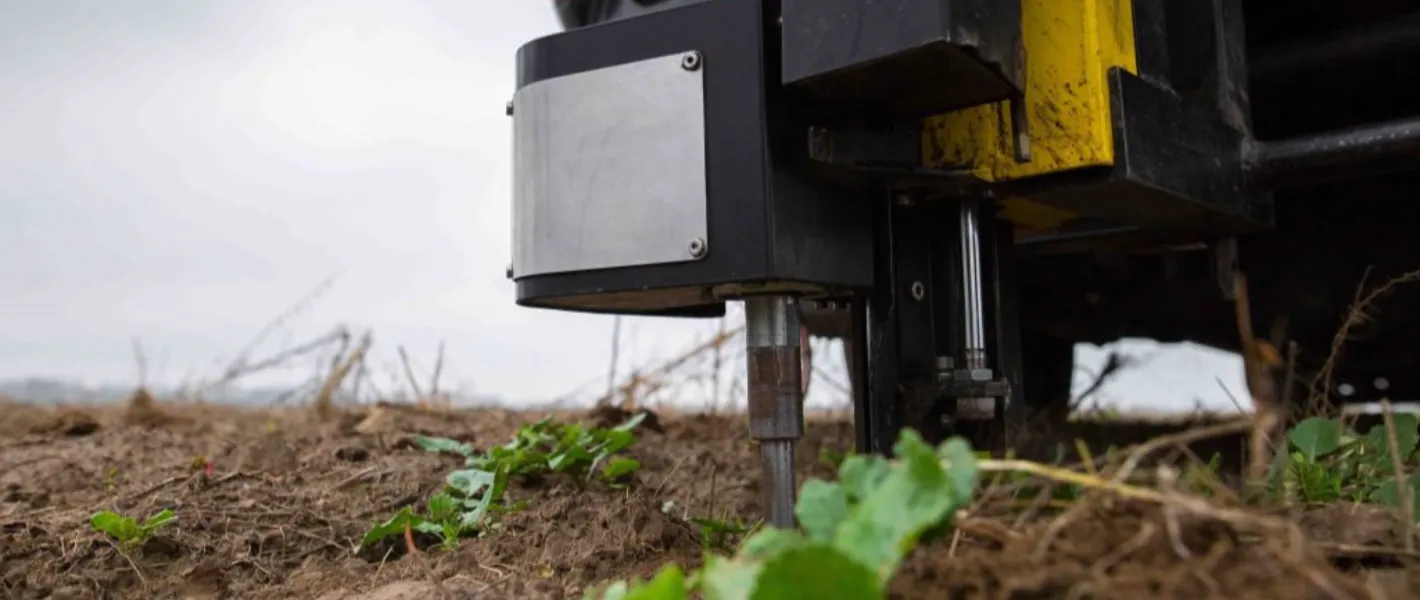
Sampling soil manually can lead to making mistakes and causing errors as high as 20%. This can lead to major overestimations for expenses and wastage of products for markers who believe they need more or less product than they really do.
In order to make this process flow efficiently and reduce errors steadfastly, the soil needs to be sampled from the same spot season to season, this allows identification of the soil’s evolution and helps to build a data report that can massively benefit farmers who will know when volumes of products increase and decrease, and give annual overviews of any changes flagged.
Evie AI Robotics Technology uses autonomous soil samplers to maximise this process and keep farmers’ time and effort free for other important practices.
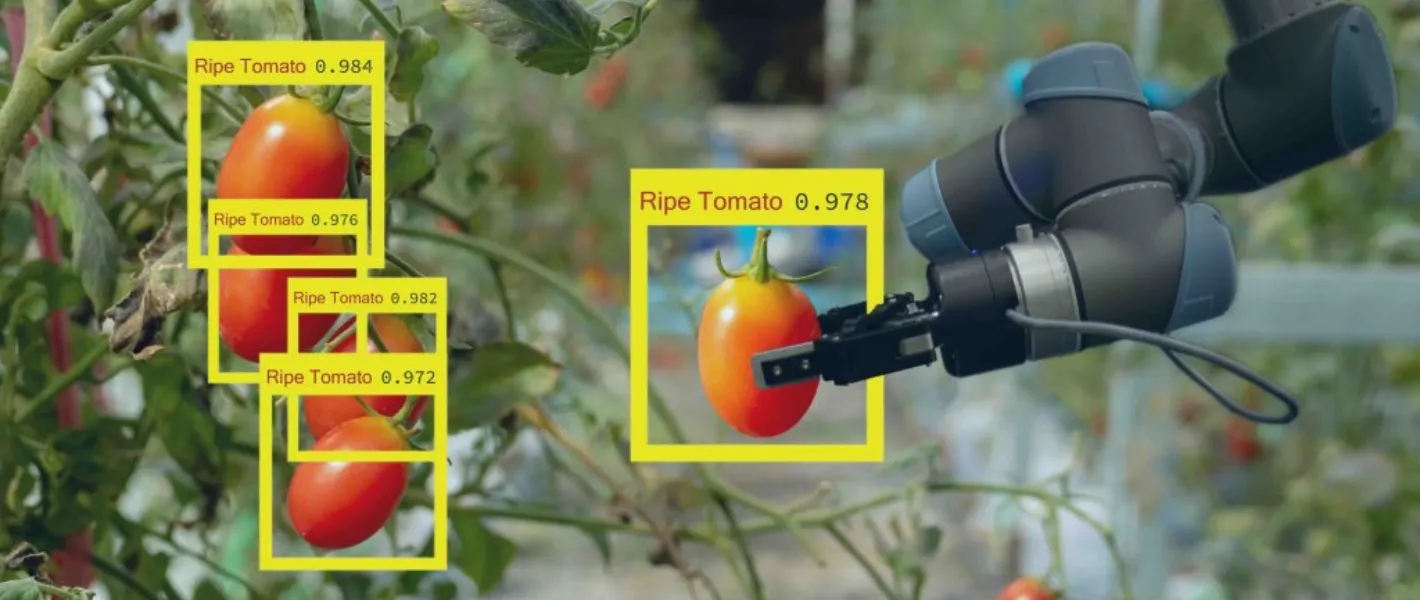
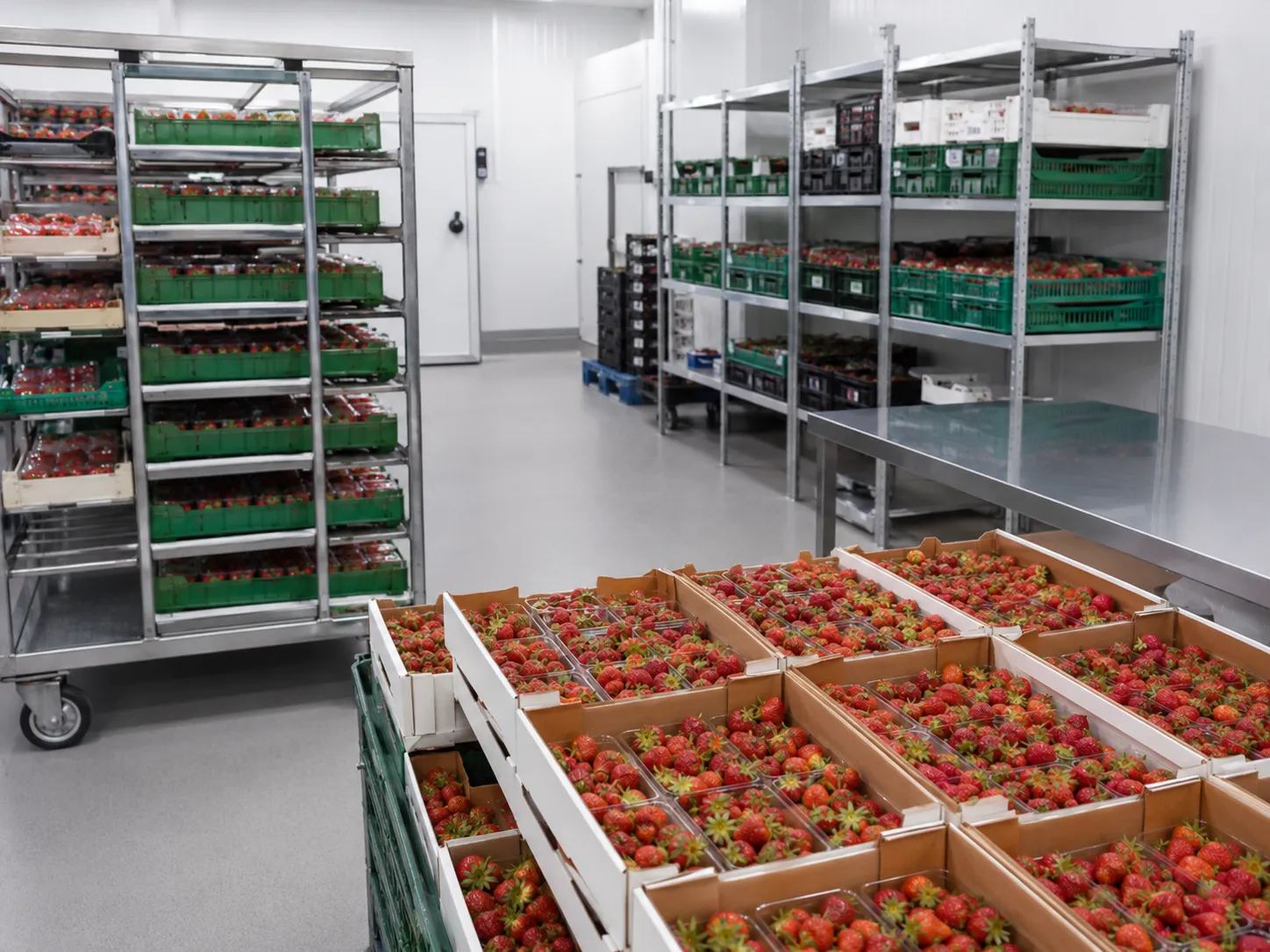
One of the latest technological advancements in the fruit-picking and allotment field is Evie AI Robotics AI companions that assist and provide efficient help with the picking of fruits and vegetables. These robots can increase productivity and decrease labour costs while in no way threatening the jobs of the other pickers.
The Evie AI Robotics technology collects data about the location of fruit and vegetables by scanning the immediate surroundings of the plant leaves. A mobile platform then navigates and serves as a support for the mechanical picking arm, which uses a stereo vision camera to make location-based specifications using ‘visual data’ in order to know which strawberries to pick.
New technology is being refined every day in order to ensure 100% safety and efficiency, and with the rapid development that the Evie team are skilled in, the AI cultivators are to be made available in the not-too-distant future.