

2 min read
EVIE Secures Government Backing for Modular Autonomous Electric Vehicle Programme
EVIE Autonomous has received UK Government backing to explore a new, configurable approach to the design and deployment of autonomous electric vehicles.
The Modular Automated Electric Vehicle project—MAEVe—is one of 14 feasibility studies selected through the CAM Pathfinder Feasibility Studies competition, delivered by the Centre for Connected and Autonomous Vehicles with support from Zenzic and Innovate UK.
The project brings together specialist autonomous software, electronic vehicle control and electric-platform engineering capabilities from EVIE’s Staffordshire-based technology team.
Making Autonomous Vehicles More Affordable
One of the greatest barriers to the adoption of autonomous technology is the cost and complexity of developing a different vehicle for every individual application.
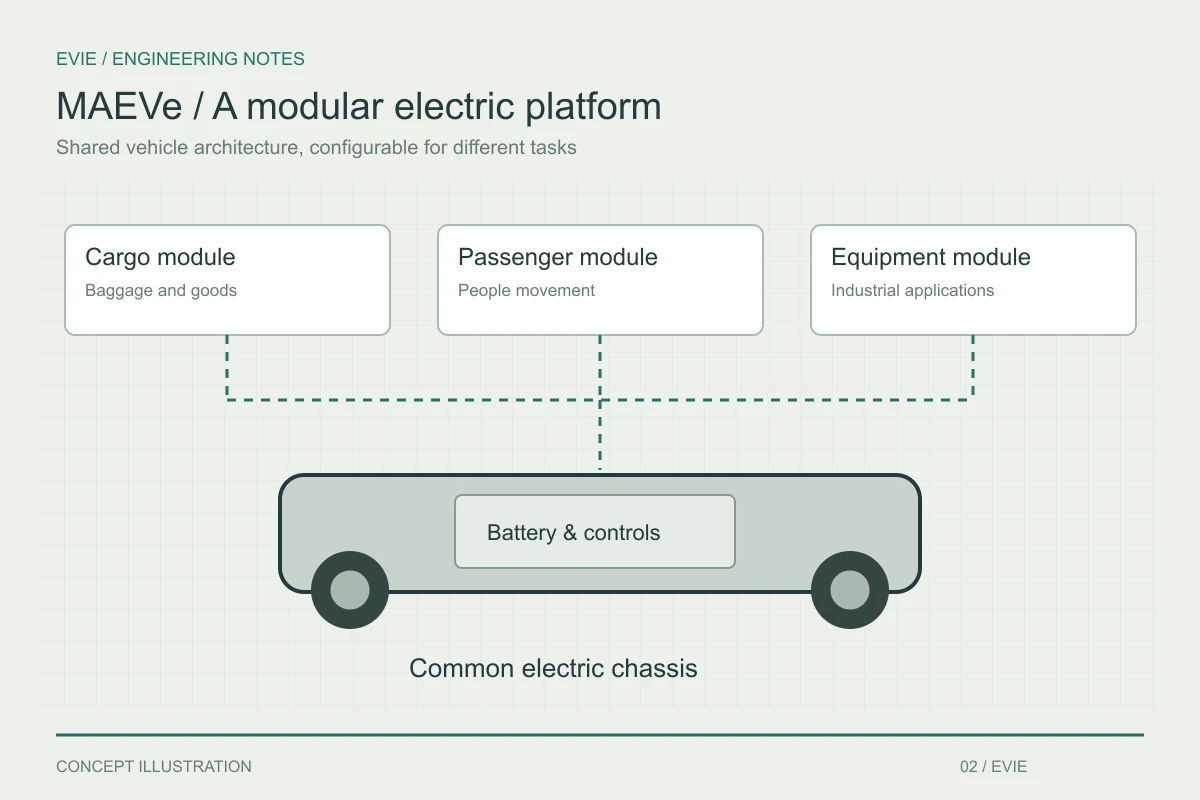
MAEVe will investigate whether a configurable and modular vehicle architecture can be used across multiple markets, reducing development time, engineering cost and the price of deployment.
Rather than creating one vehicle for one task, the programme will explore a common electric platform that can be configured for different bodies, payloads, controls and operating requirements.
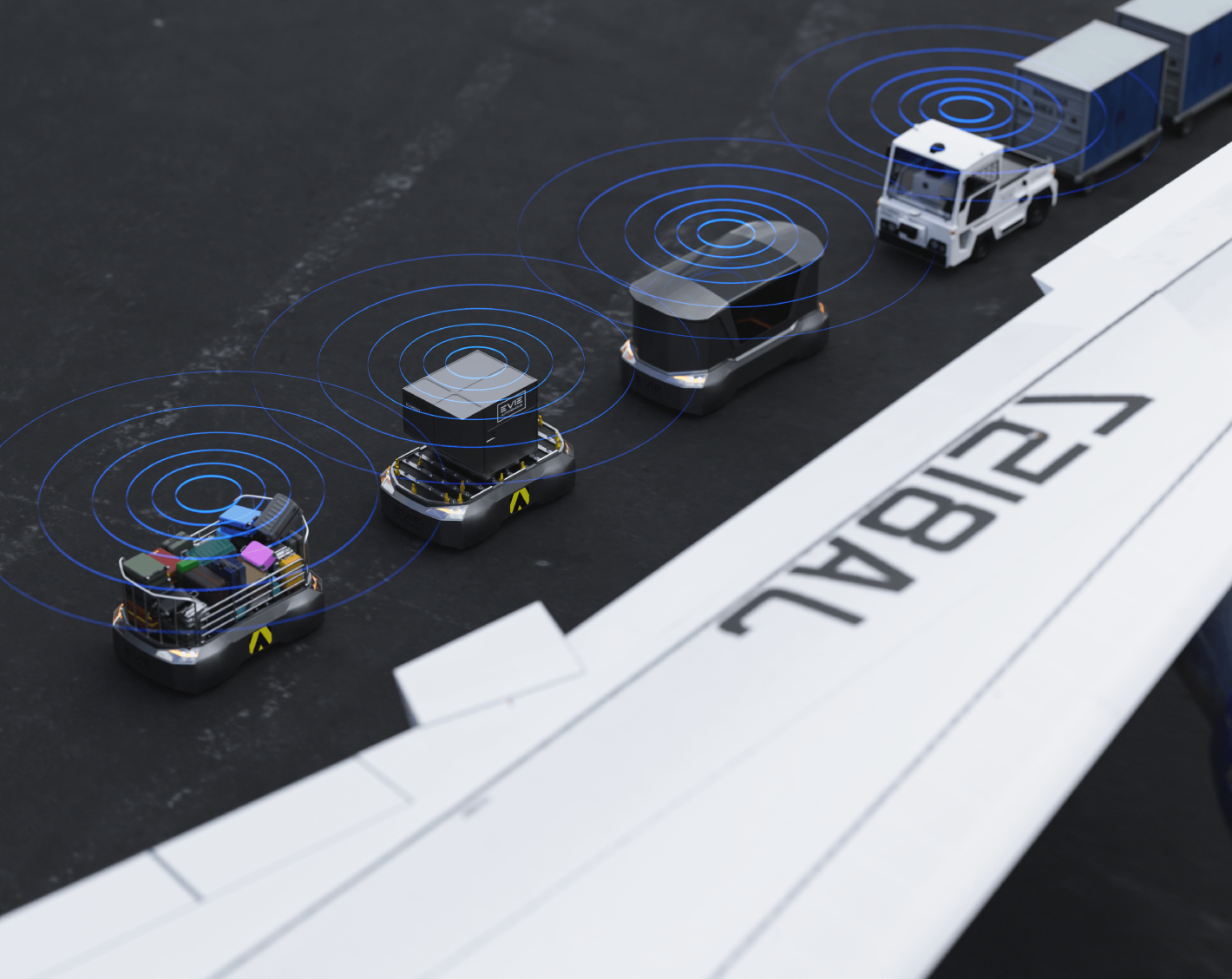
Initial applications will focus on controlled and off-highway environments such as airports, where autonomous vehicles could move baggage, cargo, equipment and people. The architecture will also consider the potential for future on-highway applications.
Steven Lake, Founder and CEO of EVIE Autonomous, said:
“Affordability is essential if autonomous technology is going to move beyond isolated demonstrations and become commercially successful.
“Our approach is to reuse the core vehicle, control and autonomy architecture across as many applications as possible. By changing the body, payload or operating configuration, the same underlying platform could perform multiple roles across airports, agriculture, logistics and industry.
“MAEVe gives us the opportunity to investigate this model in detail and build a robust commercial case for scalable autonomous vehicle deployment.”
One Platform, Multiple Applications
The MAEVe philosophy complements EVIE’s wider approach to autonomy.
EVIE’s ARLO system is designed as a vehicle- and powertrain-agnostic autonomous operator. It can be retrofitted to suitable existing machines or integrated into new vehicle platforms at OEM level.
Combining modular vehicle hardware with transferable autonomous intelligence could allow manufacturers and operators to create multiple autonomous products without repeatedly developing an entirely new system.
The feasibility programme will investigate customer requirements, vehicle configurations, engineering challenges and the commercial case for bringing the proposed modular platform to market.
MAEVe also demonstrates the growing strength of Stoke-on-Trent and Staffordshire as a centre for autonomous vehicle engineering, artificial intelligence and advanced manufacturing.